Home/Blog/Why Roopkund Is One of the World’s Most Mysterious Trekking Destinations
Why Roopkund Is One of the World’s Most Mysterious Trekking Destinations
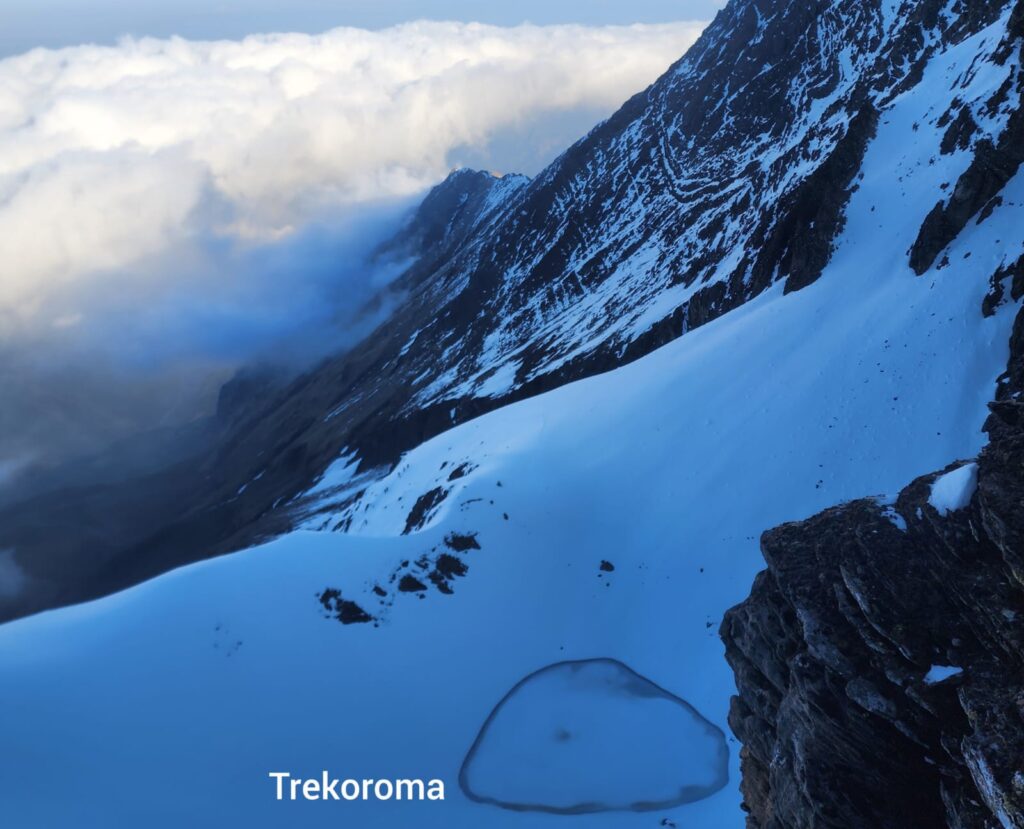
The Himalayas are full of trekking trails that promise beautiful views and thin mountain air, but only one trail ends at a lake full of human skeletons. Roopkund, tucked away at 5,029 meters in Uttarakhand, has puzzled scientists, historians, and trekkers for over 80 years. Also known as Skeleton Lake, it is not just another high altitude trek. It is a real life mystery that trekkers get to walk into, and that combination of adventure and intrigue is exactly what makes Roopkund one of the most talked about treks in India.
1. The Skeleton Lake That Baffled Scientists for Decades Roopkund was discovered in 1942 by a British forest ranger who stumbled upon hundreds of human skeletons scattered around the lake bed. For years, no one knew who these people were, when they died, or how they ended up in such a remote, freezing location. Early theories ranged from a lost Indian army battalion to an epidemic outbreak. The truth turned out to be far stranger.
2. What DNA Testing Actually Revealed A 2019 genetic study on the remains found something researchers did not expect. The skeletons did not belong to a single group from one event. They came from multiple genetically distinct populations, including people with ancestry linked to the eastern Mediterranean, and they died in incidents separated by centuries, not days. This turned Roopkund from a single tragic mystery into a layered puzzle that science still cannot fully explain.
3. The Legend of Goddess Nanda Devi’s Curse Local folklore offers its own explanation. According to legend, a king and queen once led a large group on a pilgrimage to worship Goddess Nanda Devi. The group’s behavior angered the goddess, who is said to have unleashed a fierce hailstorm that killed everyone on the spot. To this day, locals treat the lake with quiet reverence, and the story is passed down along the same route the Nanda Devi Raj Jat Yatra still follows.
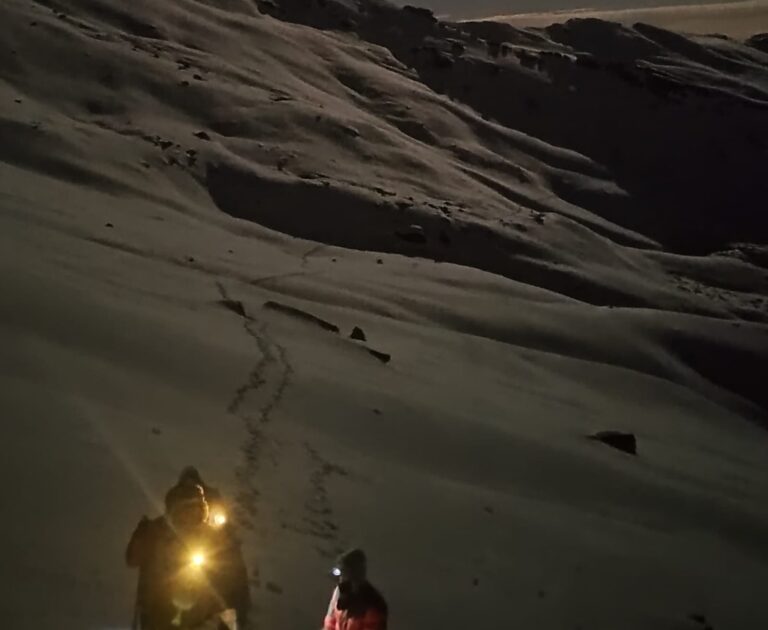
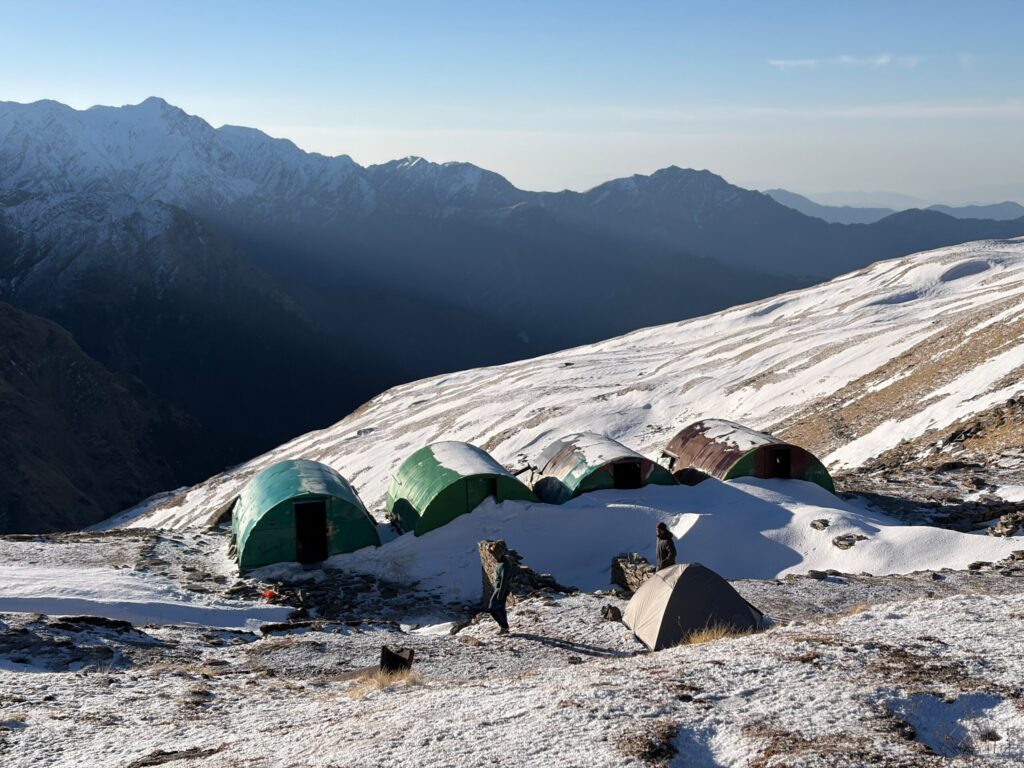
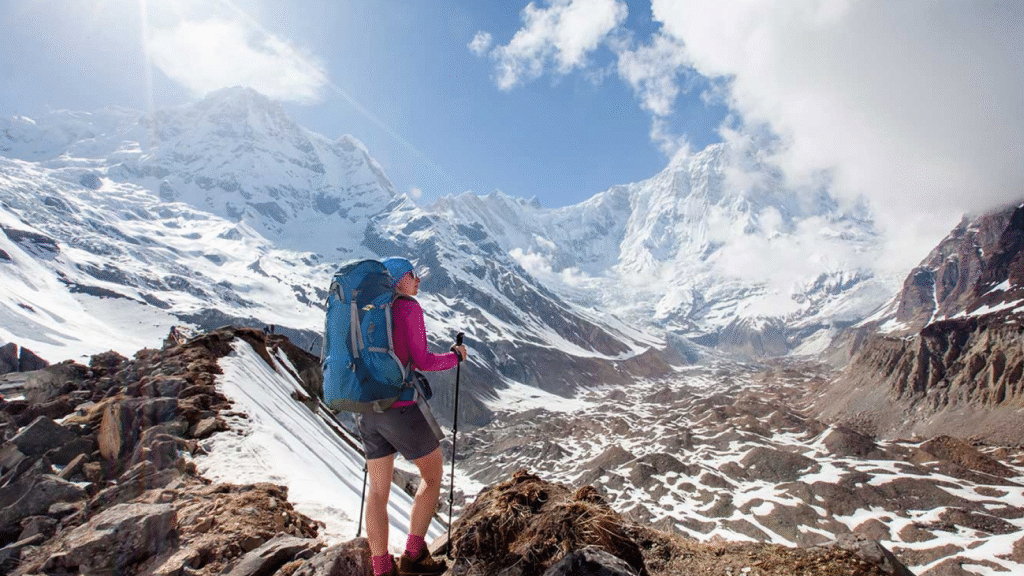
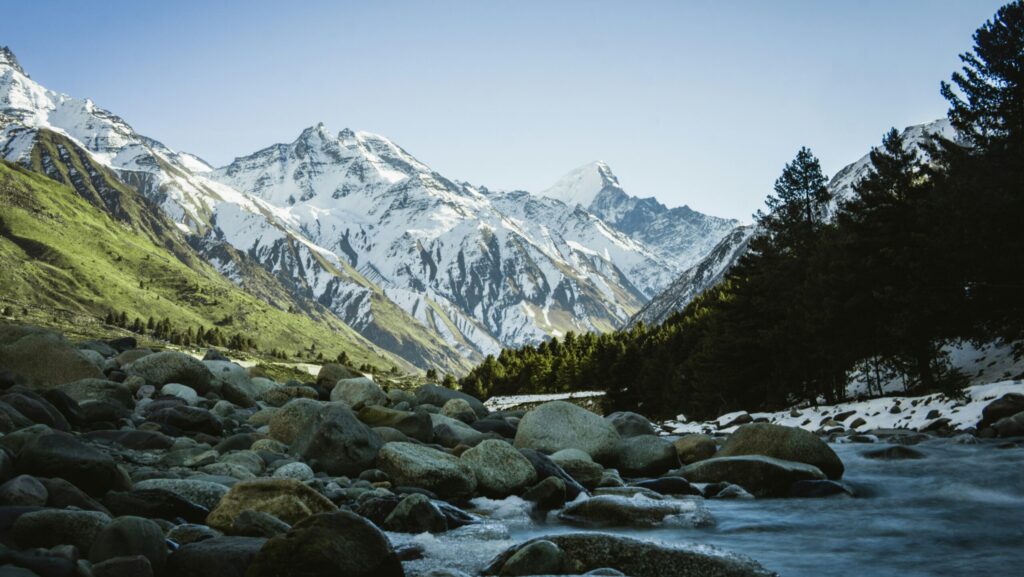
4. A Trek Through Some of Uttarakhand’s Most Stunning Landscapes The mystery is only half the reason to go. The route to Roopkund passes through Ali Bedni Bugyal, one of the largest and most beautiful meadows in Asia, along with dense oak and rhododendron forests, and open ridgelines with views of Trishul and Nanda Ghunti. Most trekkers agree that even without the skeletons, this would still rank among India’s most scenic high altitude treks.
5. Why You Should Experience Roopkund Yourself Roopkund is not just a trek, it is a story you walk through. Every ridge, meadow, and frozen lakeside adds another layer to a mystery that has outlasted generations of researchers. For trekkers who want more than just a view at the top, Roopkund offers something rare: a genuine sense of wonder.
Best Time to Visit Roopkund Timing changes the entire experience at Roopkund. Visit between May and June, right after the snow starts melting, and you’ll actually see the skeletons scattered along the lake bed, exposed and eerily visible. Trek there in September or October instead, and you’ll get clearer skies and better mountain views, but the lake is often still frozen or partially covered, hiding its most famous feature. Winter treks are not recommended due to heavy snowfall and extreme cold at higher camps. For trekkers chasing the mystery itself, the May to June window is non-negotiable.